Pick and Pack Best Practices
Order fulfillment for individual products doesn't have to be a mystery.
The Issue
eCommerce retailers have different shipping issues compared to warehouses that move bulk cases and pallets full of products. Instead, they have highly individualized orders that can include anything from toothpaste to laptops in the same shipment. This pick and pack strategy can lower shipping and freight costs and, over time, has had to evolve to maximize efficiency and reduce handling times.
The Process
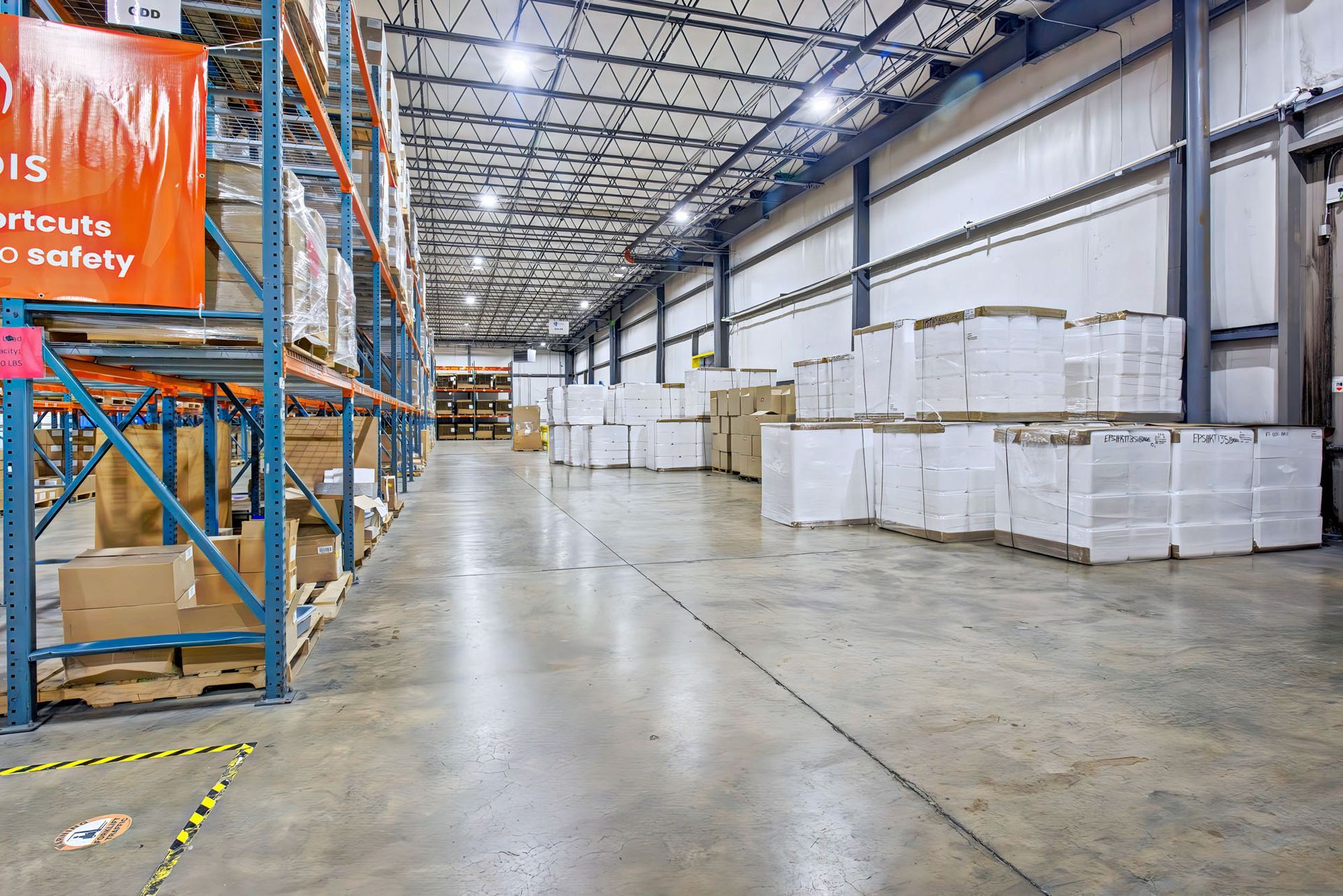
Pick-and-pack warehouse processes rely on workers to pick items from master cartons on shelves to fulfill orders. It requires a high level of coordination, organization, and attention to detail.
A picker's actual route through the warehouse is mapped so that no moment is wasted on calculation and indecision. This streamlining is actually an important aspect of pick and pack fulfillment strategies. These strategies boil down to four kinds of picking:
- Workers pick orders one at a time as they receive them and continue picking items until the entire order is complete. This kind of inventory management is best suited only to the smallest of warehouses, as it is very inefficient.
- Better suited to larger warehouses with more traffic, workers will pick orders like in piece picking, but they will be picking for multiple orders at the same time.
- Divide a large warehouse into zones, and workers will pick items from their assigned zones only. Orders that require fulfillment from multiple zones will be passed from one zone to the next. Although clearly more complicated, zone picking is more efficient than piece picking or batch picking for large warehouses.
- This form combines elements of all three. Workers are assigned to zones, pick only from those zones, and do so in batches, thus fulfilling multiple orders simultaneously.
The Benefits
Customers expect their shipments to arrive as soon as possible. Getting orders out to customers takes a lot of work because they need to be done quickly and accurately. Online shoppers are accustomed to having their items in stock, shipped within a day or two, arriving on time, and being exactly what they ordered.
These expectations mean fulfillment centers must perform small miracles in order to satisfy every requirement. But with efficient picking and packing techniques and procedures that are tailored to the particular warehouse environment, the picking and shipping of an order can directly impact customer satisfaction and generate repeat business.
This is a cost-effective strategy as it allows more orders to go through the same system quicker and more accurately. Accurate orders mean fewer returns and less lost inventory. Quicker orders means meeting customer expectations.
Pick and pack is a common inventory shipping strategy when you have so many diverse items in a single warehouse. For eCommerce businesses, it is a way of life. Customers may not notice when everything goes according to plan, but they will surely notice when it goes wrong.