How Blast Freezing Helps Reduce Food Waste for Supply Chains
Food waste is one of the biggest challenges in global supply chains, costing billions of dollars each year while straining environmental resources.
For producers and distributors, maintaining product integrity is a constant battle against time, temperature, and transportation.
That’s where blast freezing becomes a game-changer—locking in freshness, preventing spoilage, and helping businesses minimize waste at every stage of distribution.
What Is Blast Freezing?
Blast freezing is a rapid, high-intensity freezing method used to quickly bring the core temperature of food products down to safe storage levels, typically between –20°F and –40°F.
Unlike conventional freezing, which can take hours or even days, blast freezing uses powerful cold air circulation to freeze products within minutes.
This speed is what sets it apart. The process prevents the formation of large ice crystals, which can damage cellular structures in foods. As a result, products maintain their natural texture, flavor, and nutritional value once thawed.
For cold storage and distribution, blast freezing represents the gold standard for product preservation.
Common Foods That Benefit From Blast Freezing
Not every food item requires blast freezing, but for those that do, the results are significant. Here are some of the most common products that rely on the process:
- Meat and Poultry: Maintains texture and flavor without freezer burn.
- Seafood: Preserves freshness immediately after catch or processing.
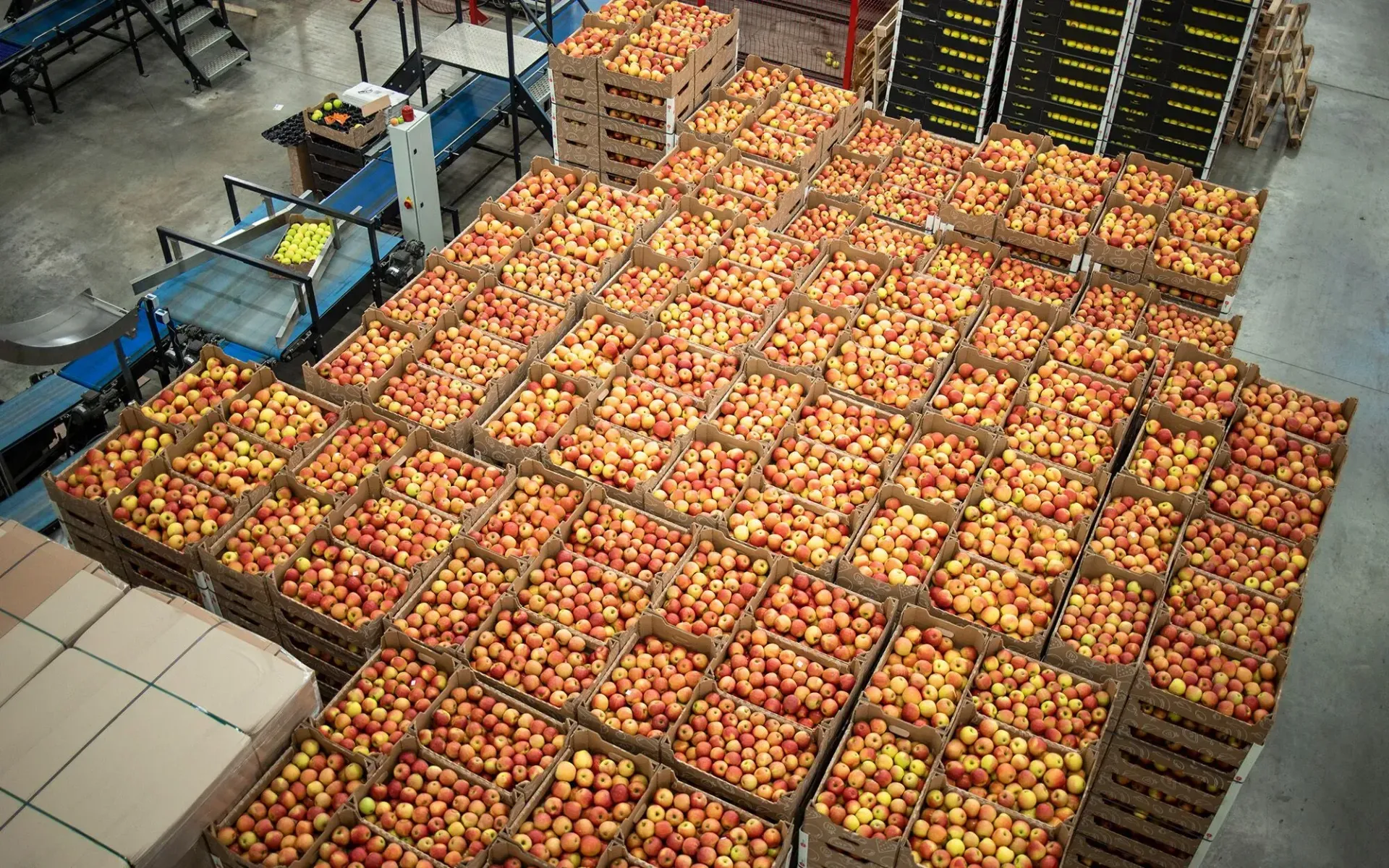
- Fruits and Vegetables: Retains nutrients and color for long-term storage.
- Prepared Meals: Keeps cooked or partially cooked items shelf-stable for distribution.
- Baked Goods and Doughs: Maintains consistency and prevents moisture loss.
- Dairy Products: Protects high-fat content items like butter and cheese from spoilage.
These foods often travel long distances or sit in storage before reaching shelves. With blast freezing, their shelf life extends dramatically, reducing waste, improving safety, and maintaining quality for consumers.
How Blast Freezing Reduces Food Waste
By rapidly lowering temperatures and locking in freshness, blast freezing minimizes spoilage, extends shelf life, and helps food producers prevent unnecessary waste.
Preserving Nutritional and Sensory Quality
One of the key benefits of blast freezing is its ability to preserve the natural characteristics of food. Rapid freezing stops enzymatic activity that causes decay, ensuring color, taste, and nutrients stay intact. Unlike slow freezing, it avoids the large ice crystals that rupture cells, making thawed products virtually indistinguishable from fresh ones.
Extending Shelf Life and Market Reach
Blast freezing extends product shelf life by weeks or months, giving producers more time to distribute and sell goods. This minimizes the risk of products expiring before reaching consumers and allows exporters to confidently ship temperature-sensitive foods across regions and continents.
Reducing Spoilage in Transit
Temperature fluctuations during transit are a common cause of food waste. Blast-frozen products are less vulnerable to brief temperature changes because they're already at a stable, low temperature. For food and beverage logistics providers, this means fewer rejected loads, less financial loss, and higher customer satisfaction.
Enabling Smarter Inventory Management
With longer-lasting products, companies gain flexibility in production and inventory planning. Blast freezing allows manufacturers to freeze excess batches for later sale, balancing supply with market demand while reducing disposal costs. It's a direct path to lower food waste and higher profitability.
Factors to Consider When Adopting Blast Freezing
Implementing blast freezing isn't just about buying a blast freezer. It requires the right infrastructure, training, and processes to ensure consistent results.
Facility Requirements and Space Planning
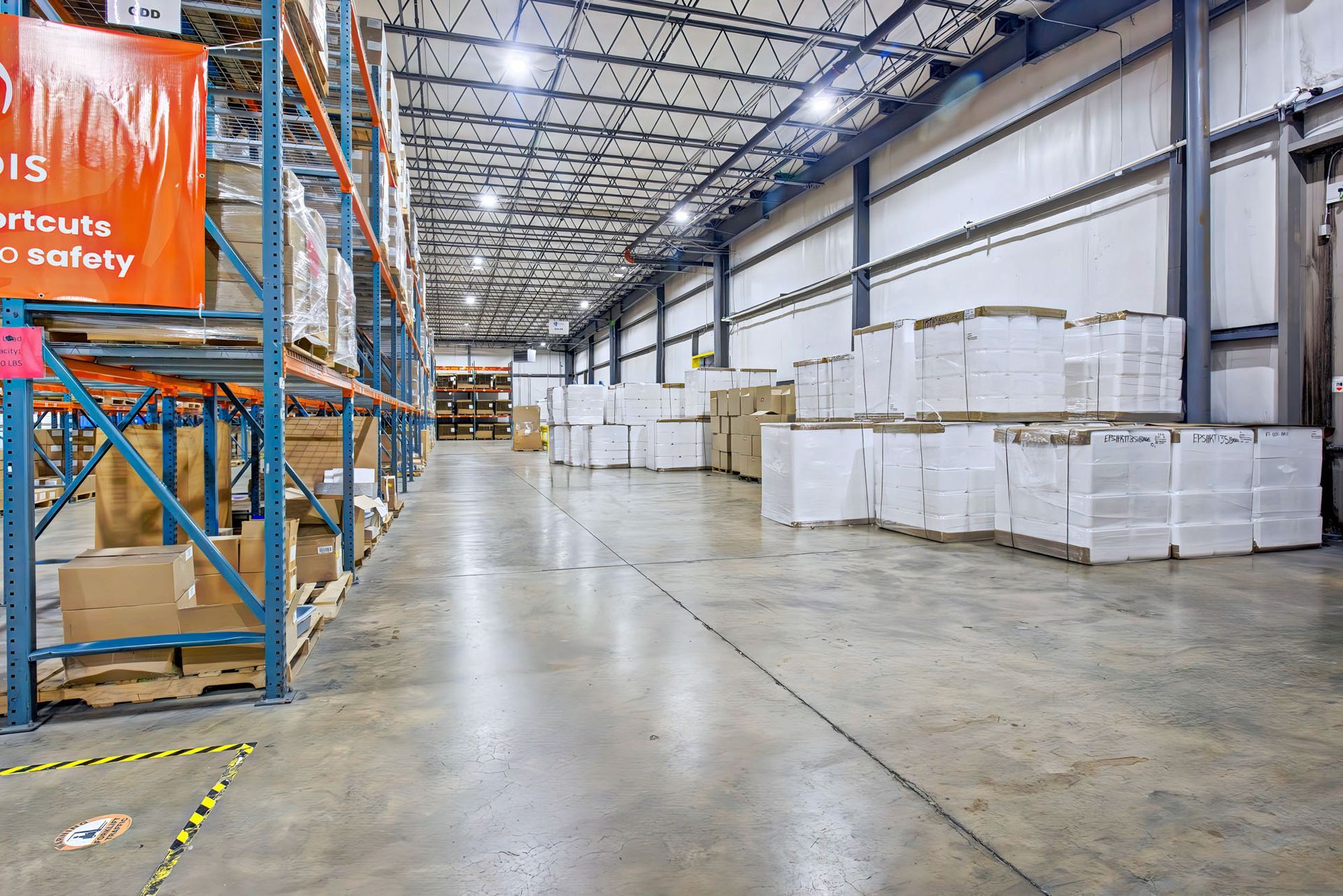
Blast freezing equipment demands significant power and ventilation. Facilities must be properly insulated and designed to handle rapid temperature changes without affecting adjacent storage areas.
Compliance and Food Safety Standards
Since blast freezing directly affects food safety, operations must comply with FDA, USDA, and Global Food Safety Initiative (GFSI) standards. Proper documentation, calibration, and monitoring are essential to maintaining compliance and audit readiness.
Staff Training and Handling Procedures
Employees must be trained to handle products correctly before and after freezing. Improper loading, stacking, or exposure to high temperatures can undo the process's benefits and compromise food quality.
Temperature Monitoring Technology
Modern cold chain logistics relies on continuous digital monitoring to maintain temperature integrity. Sensors, automated alerts, and real-time tracking systems help ensure every product remains within required temperature thresholds, from the blast freezer to the final destination.
The Role of Blast Freezing in Sustainable Supply Chains
Food waste isn't just a business issue, but an environmental one. Every ton of spoiled food represents wasted water, energy, and labor.
By using blast freezing, companies significantly reduce these losses, supporting sustainability goals and minimizing their carbon footprints across production and distribution.
The precision of blast freezing aligns perfectly with modern fresh food logistics, where consumers expect consistent quality and safety. For supply chains balancing efficiency with responsibility, it's an indispensable technology.
How FW Logistics Supports Blast Freezing
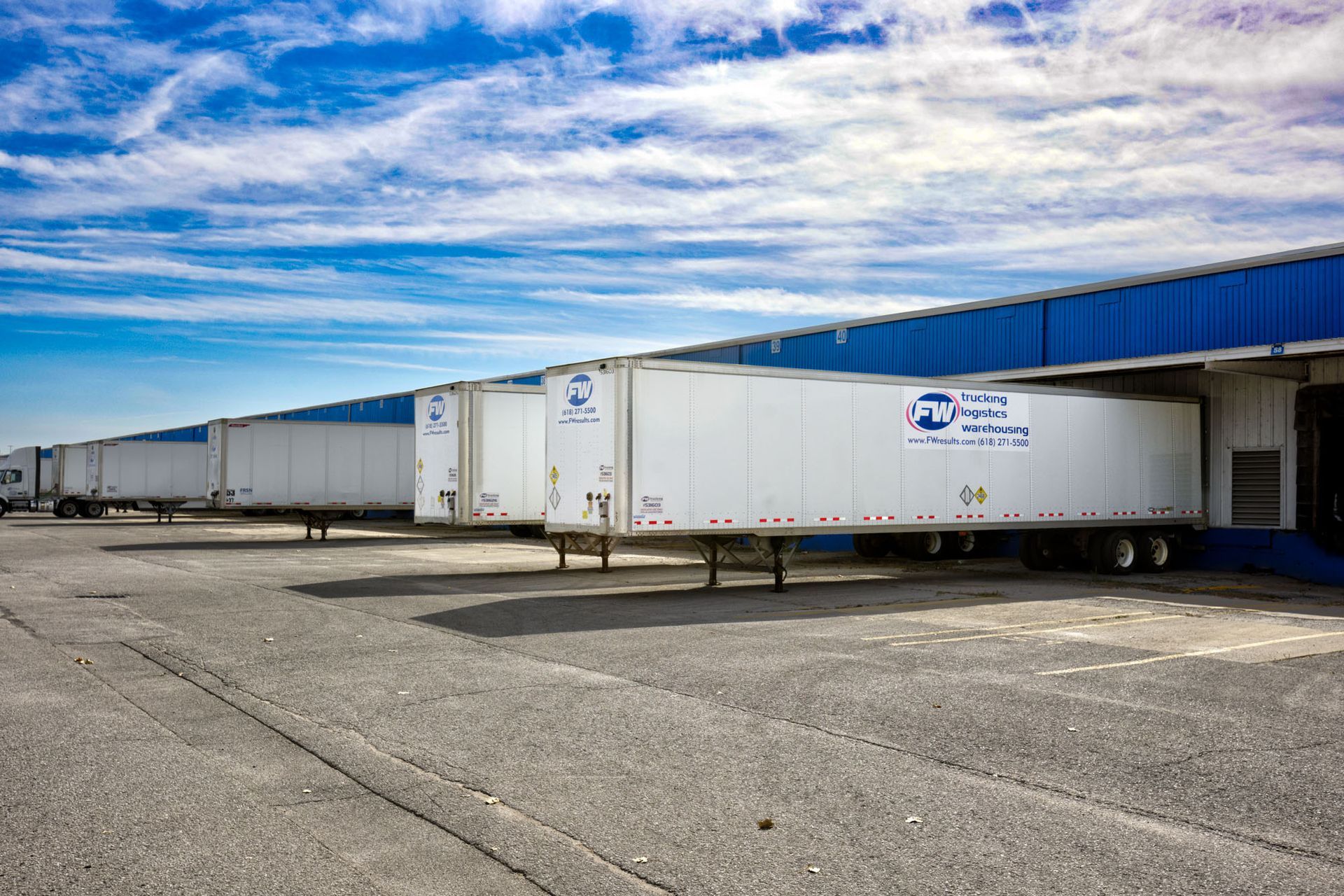
At FW Logistics, blast freezing is more than a service—it's part of a comprehensive cold storage ecosystem. Our advanced facilities are equipped with high-powered blast freezers that can bring products to temperature within 24 hours while maintaining strict USDA and FDA compliance.
We manage the process from start to finish, including temperature documentation, quality checks, and inventory traceability. With decades of experience in cold chain logistics, FW Logistics ensures perishable goods move safely through every stage of storage and transportation.
Our team specializes in tailored solutions for food producers, distributors, and retailers, helping them reduce waste, improve efficiency, and safeguard product integrity.
The Bottom Line: Blast Freezing Protects Both Product and Profit
Food producers can't afford the financial or environmental cost of wasted goods. Blast freezing offers a proven, science-backed way to extend shelf life, reduce spoilage, and maintain product quality throughout the supply chain.
From seafood and dairy to baked goods and prepared meals, it's a cornerstone of modern cold chain logistics, bridging the gap between production and consumption with speed and precision.
Partner With FW Logistics for Smarter Food Preservation
Reducing food waste starts with smarter preservation, and blast freezing remains one of the most effective tools available. By rapidly locking in freshness, it allows supply chains to stay flexible, compliant, and sustainable.
FW Logistics is proud to offer industry-leading blast-freezing services that support the long-term success of food manufacturers and distributors alike.
With the right partner, food producers can ensure every shipment stays safe, profitable, and waste-free, from the warehouse floor to the customer's table.